DCGKE

15 January 2025

No Comments

Lebanese Food Myths and Facts: Debunking Common Misconceptions

Lebanese Food Myths and Facts

Lebanese cuisine has captivated food lovers worldwide with its fresh ingredients, vibrant flavors, and rich cultural history. However, as with any cuisine that achieves global recognition, myths and misconceptions often arise. From how dishes are prepared to their health benefits and origins, Lebanese food has been subject to various assumptions. In this blog, we delve into the myths and facts surrounding Lebanese cuisine to uncover the truth behind some of the most common beliefs.

Introduction to Lebanese Cuisine

Lebanese cuisine, part of the broader Mediterranean food culture, is renowned for its diversity and nutritional balance. It emphasizes fresh vegetables, lean proteins, olive oil, and a variety of spices. Signature dishes like hummus, tabbouleh, kibbeh, and shawarma have earned their place on menus across the globe. But how well do we truly understand these dishes and the culture they come from?

Let’s break down some of the myths and facts about Lebanese food, providing a clearer picture of what makes this cuisine so special.

 Lebanese Cuisine


Myth 1: Lebanese Food Is All About Meat

Fact: While meat is an important component of Lebanese cuisine, vegetarian dishes hold an equally significant place.

One of the most common misconceptions about Lebanese food is that it is heavily meat-centric. Dishes like shawarma, kebabs, and lamb stews often dominate the spotlight. However, Lebanese cuisine is incredibly diverse, offering a wide array of vegetarian options that showcase the region’s abundant agricultural produce.

Popular vegetarian dishes include:

  • Tabbouleh: A parsley-based salad mixed with tomatoes, onions, and bulgur wheat.
  • Baba Ghanoush: A smoky roasted eggplant dip.
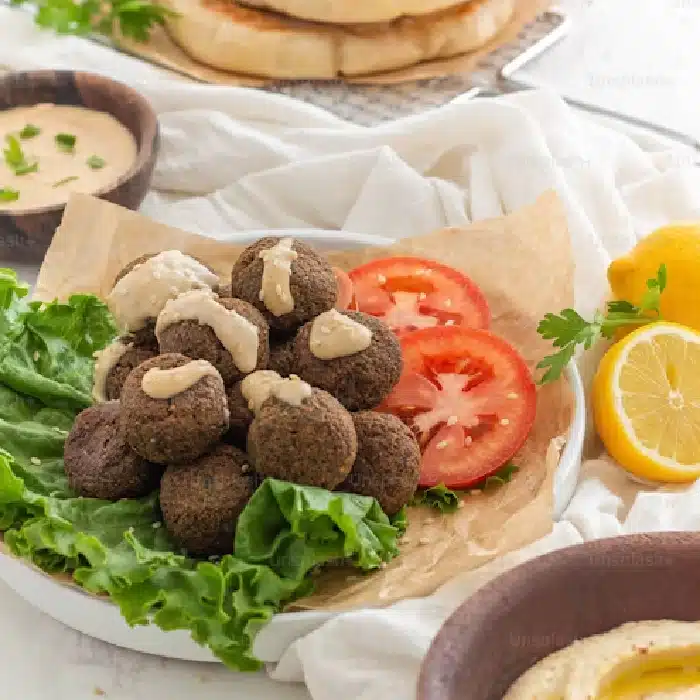
  • Falafel: Deep-fried patties made from ground chickpeas or fava beans.
  • Warak Enab: Grape leaves stuffed with rice and vegetables.

These dishes are not only delicious but also demonstrate the cuisine’s emphasis on balance and variety.

Myth 2: Lebanese Food Is Spicy

Fact: Lebanese cuisine is flavorful but not typically spicy.

The use of spices is integral to Lebanese cooking, but it’s important to distinguish between “spiced” and “spicy.” Lebanese food relies on aromatic spices like cinnamon, allspice, sumac, and cumin, which enhance flavors without overwhelming the palate with heat. For those who associate Mediterranean cuisine with fiery flavors, Lebanese dishes offer a milder, more balanced taste profile.

For those who prefer a little kick, condiments like shatta (a spicy chili paste) can be added to customize the heat level.

Lebanese cuisine

Myth 3: All Lebanese Food Is Healthy

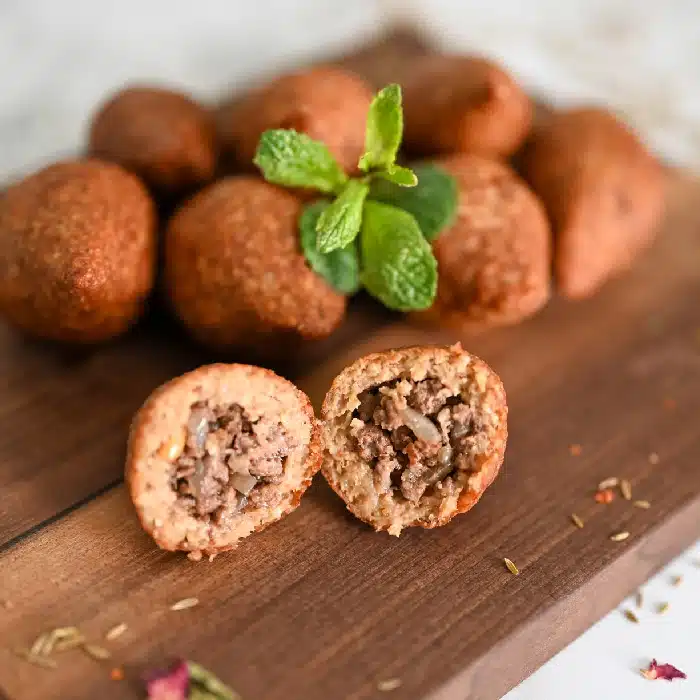
Kibbeh

Fact: While much of Lebanese cuisine is healthy, indulgent options do exist.

Lebanese food is often celebrated for its health benefits, and for good reason. The emphasis on fresh vegetables, whole grains, olive oil, and lean proteins makes it one of the most nutritionally balanced cuisines in the world. However, like any cuisine, it also includes indulgent dishes.

For example:

  • Kibbeh: This traditional dish is often fried, making it calorie-dense.
  • Baklava: A sweet pastry made with layers of filo dough, nuts, and syrup or honey, is high in sugar and fat.
  • Sambousek: These deep-fried pastries, stuffed with cheese or meat, are another indulgent treat.

While these dishes are delicious, moderation is key. Lebanese cuisine offers plenty of healthier alternatives for those looking to maintain a balanced diet.

Myth 4: Hummus Is the National Dish of Lebanon

Fact: While hummus is a staple of Lebanese cuisine, it is not officially the national dish.

Hummus, the creamy chickpea dip, is synonymous with Lebanese food around the world. It’s a beloved part of the mezze (appetizer) spread and often paired with warm pita bread. However, the idea that it is Lebanon’s national dish is a misconception.

If any dish could claim the title of national dish, it would likely be kibbeh, which comes in various forms, including baked, fried, or raw. Kibbeh has deep cultural significance and is a cornerstone of Lebanese culinary heritage.

Myth 6: Lebanese Food Requires Special Ingredients

Myth 5: Lebanese Food Is the Same as Middle Eastern Food

Fact: Lebanese cuisine is a unique subset of Middle Eastern food with distinct flavors and traditions.

While Lebanese food shares similarities with other Middle Eastern cuisines, such as those of Syria, Jordan, and Palestine, it has its own unique characteristics. Lebanese dishes often emphasize fresh herbs, lemon juice, and olive oil, giving them a lighter and more refreshing taste compared to some of their counterparts.

For example:

  • Manakish (a Lebanese flatbread) has regional variations but is distinctly Lebanese in its preparation and toppings, such as za’atar.
  • Lebanese mezze is known for its diverse and abundant spread, showcasing the country’s emphasis on sharing meals.

Fact: Most Lebanese recipes use everyday ingredients that are widely available.

Many people believe that cooking Lebanese food at home requires exotic or hard-to-find ingredients. In reality, most traditional Lebanese recipes rely on staples like lentils, chickpeas, parsley, tomatoes, olive oil, and lemon juice. Spices like cumin, cinnamon, and sumac are also easily available in most grocery stores or specialty food shops.

This accessibility makes Lebanese cuisine an excellent choice for home cooks looking to explore international flavors without the need for complicated ingredients.

Myth 7: Lebanese Food Is Time-Consuming to Prepare

Fact: While some dishes are elaborate, many Lebanese recipes are quick and simple.

Lebanese cuisine includes both elaborate, celebratory dishes and quick, everyday meals. While dishes like makloubeh (a layered rice and meat dish) or mujadara (lentils and rice) can take time to prepare, others, such as fattoush (a bread salad) or hummus, are ready in minutes.

For busy individuals, many Lebanese dishes can be prepped in advance and stored, such as tabbouleh, stuffed grape leaves, and dips like baba ghanoush.

Myth 8: Lebanese Cuisine Has No Desserts

Fact: Lebanese cuisine offers a wide range of delightful desserts.

Lebanese desserts are often overlooked, but they are a significant part of the cuisine. These sweets are typically made with nuts, honey, and aromatic spices, offering a rich and indulgent experience.

Popular Lebanese desserts include:

  • Baklava: Layers of filo dough filled with nuts and soaked in syrup.
  • Ma’amoul: Date-filled cookies made with semolina dough.
  • Atayef: Pancakes stuffed with cheese or nuts, often served during Ramadan.
  • Knefeh: A cheese-based dessert topped with sweet syrup and shredded pastry.

These desserts are often enjoyed with a strong cup of Arabic coffee or mint tea, adding to the overall dining experience.

Myth 9: Lebanese Food Is Only Eaten on Special Occasions

Fact: Lebanese cuisine is enjoyed daily and is an integral part of everyday life.

While certain dishes are reserved for special occasions, such as weddings or religious festivals, Lebanese cuisine is very much a part of daily life. Simple meals like lentil soup, labneh sandwiches, or grilled vegetables are common in Lebanese households. The communal nature of Lebanese dining makes even everyday meals feel special.

Celebrating the Truth About Lebanese Cuisine

Lebanese food is a beautiful reflection of the country’s rich history, culture, and natural bounty. While myths and misconceptions may abound, the truth about Lebanese cuisine is even more fascinating and inspiring. It is a cuisine that celebrates balance, freshness, and community, offering something for everyone, whether they are meat lovers, vegetarians, or dessert enthusiasts.

As you explore Lebanese cuisine, remember that it is more than just food; it’s a journey into a culture that values hospitality, flavor, and the joy of sharing meals with loved ones. So, the next time you sit down to a plate of hummus or tabbouleh, savor not just the flavors but the rich traditions and stories behind them.

Leave a Reply

Your email address will not be published. Required fields are marked *

Call us now